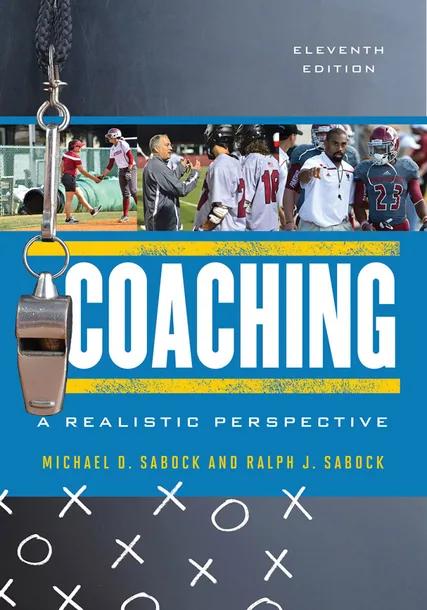
Coaching
A Realistic Perspective
by Michael D. Sabock, Ralph J. Sabock
11th Edition
Publisher: Rowman & Littlefield Publishers
Book Details
| Print ISBN | 9781442270701 |
| eText ISBN | 9781442270718 |
| Publisher | Rowman & Littlefield Publishers |
| Publishing Year | 2017 |
| Edition | 11th Edition |
| Language | English |
| Pages | 364 |
Coaching: A Realistic Perspective, 11th Edition, serves as an introductory textbook for individuals entering the coaching profession across any sport. The volume addresses everyday responsibilities and leadership challenges that accompany coaching beyond sport-specific tactics.
The text focuses on interpersonal relationships with players, parents, school administrators, and fans, while addressing ethical dilemmas common in athletics. It also covers off-season responsibilities such as budgeting and inventory, alongside personal considerations for head, assistant, married, and single coaches.
To encourage reflection on realistic leadership scenarios, the textbook provides end-of-chapter discussion questions intended to prompt debate on recurring coaching challenges.
Table of Contents
Chapter Preface: Preface
Chapter Acknowledgments: Acknowledgments
Chapter 1: Coaches, Athletes, and Ethics
- • Ethical Standards
- • Ethical Dilemmas
- • Professional Ethics
- • Recruiting Ethics
Chapter 2: Welcome to the Coaching Profession
- • Perceptions of High School Athletics
- • Is Coaching the Career for You?
- • Considerations in the Life of a Coach
- • Applying for a Coaching Position
- • Points of Decision in Your Professional Career
Chapter 3: Special Relationships
- • Administration
- • Faculty
- • Other Coaches
- • Athletes
- • Parents
- • Assistant Coaches
- • Band Director
- • Guidance Counselors
- • Custodians
- • School Secretaries
- • Members of the Community
- • Members of the Press
- • Athletic Equipment Salespersons
- • Cheerleaders
- • Critics
Chapter 4: Desirable Qualities of a Coach
- • Transparent Realism
- • Ability to Organize
- • Ability to Motivate
- • Dedication
- • Willingness to Make Hard Choices/Decisions
- • Ability to Discipline
- • Ability to Identify Goals
- • Ability to Recognize Athletic Talent
- • Ability to Use Available Talent
- • Desire to Win
- • Dislike of Mediocrity
- • Ability to Reason
- • Interest in Individuals
- • Respect
- • Enthusiasm
- • Willingness to Work
- • Knowledge of the Sport
- • Understanding Boys and Girls
- • Knowing What Makes the Difference between Winning and Losing
- • Ability to Foster Pride
- • Proper Use of Language
- • Moral Standards
- • Honesty
- • Dignity
- • Courage of Your Convictions
- • Ethical Standards
- • Good Judgment
- • Consistency
- • Fairness
- • Imagination
- • Sense of Humor
- • Having a Plan for Everything
Chapter 5: The Roles of a Head Coach
- • Teacher
- • Disciplinarian
- • Salesperson
- • Public Relations Expert
- • Guidance Counselor
- • Diplomat
- • Organizer
- • Detective
- • Psychologist
- • Judge and Jury
- • Leader
- • Mother Figure/Father Figure
- • Dictator
- • Politician
- • Actor
- • Fund Raiser
- • Chief Executive
- • Equipment Manager
- • Trainer
- • Citizen of the Community
- • Citizen of the School
Chapter 6: The Assistant Coach
- • Philosophical Differences
- • Applying for the Job
- • Desirable Qualities of an Assistant Coach
Chapter 7: Considerations for Married Coaches, Families, and Single Coaches
- • A Comparison of Male and Female Married Coaches
- • The Married Female Coach
- • The Married Male Coach
- • The Single Coach
Chapter 8: The Recruiting Process
- • The Recruiting Process
- • Dealing with Recruiters
- • Advising Students
- • Illegal Recruiting
Chapter 9: Off-Season Planning
- • Evaluating the Past Season
- • Conducting an Equipment Inventory
- • Preparing a Budget
- • Purchasing Equipment
- • Providing Strength Training
- • Choosing Student Helpers
- • Preparing a Checklist for Required Paperwork
- • Establishing Practice Times
- • Dealing with Family Vacations
- • Meeting with Prospective Players
- • Corresponding with Players and Parents
- • Conducting a Parent Clinic
- • Arranging for Medical Care at Athletic Events
- • Staff Clinic
- • Organizing Your Staff
- • Issuing Equipment
- • Ordering Mouth Guards
- • Arranging for Classrooms
- • Briefing the Athletic Director
- • Creating Player Notebooks
- • A Coach’s Checklist
- • Selecting Team Captains
- • Planning a Media Day
- • Working with Custodians
- • Planning Preseason Practice Games/Meets/Events
- • Scheduling Athletic Banquets
- • The First Team Meeting
- • Team Clinic
Chapter 10: Final Preparation for the Season
- • Staff Meetings
- • Goals
- • Staff Clinic
- • Coaching Assignments
- • Practice Procedures and Policies
- • Training Rules
- • Discipline
- • Conduct of Players and Coaches
- • Coaches’ Personal Appearance
- • Scouting Assignments
- • Cutting Players
- • Travel Conduct
- • Student Helpers
- • Pregame and Postgame Procedures
- • Pep Rallies
- • Awards/Trophies
- • Drills
- • Practice Plans
- • Picking the Team
- • Written Tests
- • Team Meeting
Chapter 11: Issues, Problems, and Concerns in Athletics
- • Parents of Athletes
- • Attitude of Athletes
- • Part-Time Coaches
- • Drugs
- • Eating Disorders
- • Blood-Related Injuries
- • Booster Clubs
- • Men Coaching Girls’ and Women’s Teams
- • Players Quitting
- • Specialization
- • Religion
- • Crowd Control/Behavior
- • Youth Sports Programs
- • Officials at Athletic Events
- • Title IX—Equity
- • Legal Liability
- • Emphasis on Winning
- • Conflict with an Administrator
- • Stress and Burnout
Chapter 12: Coaching Points
Chapter Appendix A: Tournament Scheduling
Chapter Appendix B: Thirty Rules for Getting Things Done Through People
Chapter Appendix C: Twelve Points of Successful Leadership
Chapter Appendix D: Parents’ Expectations of Coaches: A Questionnaire
Chapter Appendix E: Players’ Expectations of Coaches: A Questionnaire
Chapter Appendix F: Sample Practice Plans
Customer Reviews
0.0
0 reviews
No reviews yet. Be the first to review this book!
Write a Review
Reviewed by GradeFocus Editorial Team