GradeFocus
BooksCategoriesAuthorsAboutContact
GradeFocus

Find textbooks and academic resources at competitive prices. Compare listings from VitalSource, Amazon, and more to save money on your course materials.

Browse

  • Books
  • Categories
  • Authors

Company

  • About
  • Contact
  • FAQ

Legal

  • Privacy
  • Terms
  • DMCA

© 2026 GradeFocus. All rights reserved.

PrivacyTermsSitemap
  1. Home
  2. /Philosophy
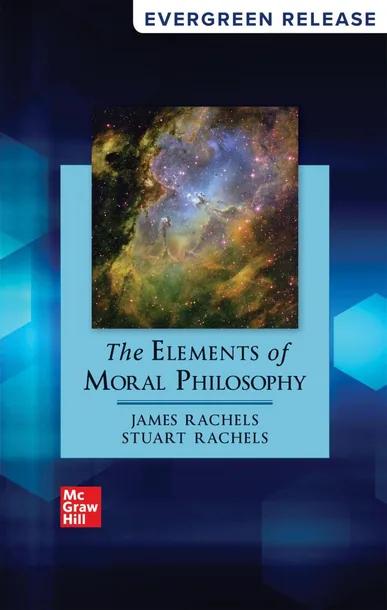
The Elements of Moral Philosophy cover

The Elements of Moral Philosophy

by James Rachels, Stuart Rachels

10th Edition

Publisher: McGraw-Hill Higher Education

(0 reviews)
Philosophy

Compare Prices

VitalSourceReflowable Layout$88.75Amazon KindleKindle$74.00Best PriceeTextShelfPDF$38.00

Book Details

Print ISBN9781264931422
eText ISBN9781264998692
PublisherMcGraw-Hill Higher Education
Publishing Year2023
Edition10th Edition
LanguageEnglish
Pages224

In an era defined by complex global dilemmas and rapid societal shifts, finding a clear path through ethical uncertainty is more vital than ever. The Elements of Moral Philosophy 10th Edition serves as an indispensable guide for anyone seeking to understand the foundational principles of right and wrong. By presenting deep philosophical concepts in an accessible manner, this celebrated work helps readers navigate the turbulent waters of contemporary moral debates. It provides a structured framework that encourages critical thinking over dogmatic belief, making it a crucial resource for modern classrooms. This volume stands out as a beacon of clarity, helping students construct well-reasoned arguments rather than relying on mere intuition.

This text explores a wide range of influential ethical theories, from cultural relativism and ethical egoism to utilitarianism and Kantian deontology. The late James Rachels and his son Stuart Rachels approach these complex subjects with remarkable clarity, utilizing vivid, real-world examples to ground abstract theories. Rather than merely cataloging historical viewpoints, the authors engage readers in active philosophical dialogue, weighing the strengths and weaknesses of each moral framework. This balanced perspective allows students to appreciate the depth of ethical inquiry and develop their own reasoned positions on controversial issues. By examining diverse cultural codes and religious perspectives, the book fosters a deeper global understanding of human values.

Designed primarily for undergraduate introductory ethics courses, this text is celebrated for its highly modular chapter structure, which allows instructors maximum curricular flexibility. The Elements of Moral Philosophy 10th Edition features meticulously updated discussions on contemporary issues like privacy rights, while maintaining the engaging, conversational tone that has made it a classroom favorite for decades. Students and educators seeking a versatile digital format can utilize The Elements of Moral Philosophy 10th Edition PDF to easily access these critical readings across devices. This latest version refines hundreds of sentences to ensure the smoothest possible reading experience for the next generation of thinkers, making it the premier choice for modern philosophy curricula.

Table of Contents

  1. Chapter 1: WHAT IS MORALITY?

    • • 1.1. The Problem of Definition
    • • 1.2. First Example: Baby Theresa
    • • 1.3. Second Example: Jodie and Mary
    • • 1.4. Third Example: Tracy Latimer
    • • 1.5. Reason and Impartiality
    • • 1.6. The Minimum Conception of Morality
  2. Chapter 2: THE CHALLENGE OF CULTURAL RELATIVISM

    • • 2.1. Different Cultures Have Different Moral Codes
    • • 2.2. Cultural Relativism
    • • 2.3. The Cultural Differences Argument
    • • 2.4. What Follows from Cultural Relativism
    • • 2.5. Why There Is Less Disagreement Than There Seems to Be
    • • 2.6. Some Values Are Shared by All Cultures
    • • 2.7. Judging a Cultural Practice to Be Undesirable
    • • 2.8. Back to the Five Claims
    • • 2.9. What We Can Learn from Cultural Relativism
  3. Chapter 3: SUBJECTIVISM IN ETHICS

    • • 3.1. The Basic Idea of Ethical Subjectivism
    • • 3.2. The Linguistic Turn
    • • 3.3. The Rejection of Value
    • • 3.4. Ethics and Science
    • • 3.5. Same-Sex Relations
  4. Chapter 4: DOES MORALITY DEPEND ON RELIGION?

    • • 4.1. The Presumed Connection between Morality and Religion
    • • 4.2. The Divine Command Theory
    • • 4.3. The Theory of Natural Law
    • • 4.4. Religion and Particular Moral Issues
  5. Chapter 5: ETHICAL EGOISM

    • • 5.1. Is There a Duty to Help the Starving?
    • • 5.2. Psychological Egoism
    • • 5.3. Three Arguments for Ethical Egoism
    • • 5.4. Two Arguments against Ethical Egoism
  6. Chapter 6: THE SOCIAL CONTRACT THEORY

    • • 6.1. Hobbes’s Argument
    • • 6.2. The Prisoner’s Dilemma
    • • 6.3. Some Advantages of the Social Contract Theory
    • • 6.4. The Problem of Civil Disobedience
    • • 6.5. Difficulties for the Theory
  7. Chapter 7: THE UTILITARIAN APPROACH

    • • 7.1. The Revolution in Ethics
    • • 7.2. First Example: Euthanasia
    • • 7.3. Second Example: Marijuana
    • • 7.4. Third Example: Nonhuman Animals
  8. Chapter 8: THE DEBATE OVER UTILITARIANISM

    • • 8.1. The Classical Version of the Theory
    • • 8.2. Is Pleasure All That Matters?
    • • 8.3. Are Consequences All That Matter?
    • • 8.4. Should We Be Equally Concerned for Everyone?
    • • 8.5. The Defense of Utilitarianism
    • • 8.6. Concluding Thoughts
  9. Chapter 9: ARE THERE ABSOLUTE MORAL RULES?

    • • 9.1. Harry Truman and Elizabeth Anscombe
    • • 9.2. The Categorical Imperative
    • • 9.3. Kant’s Arguments on Lying
    • • 9.4. Conflicts between Rules
    • • 9.5. Kant’s Insight
  10. Chapter 10: KANT AND RESPECT FOR PERSONS

    • • 10.1. Kant’s Core Ideas
    • • 10.2. Retribution and Utility in the Theory of Punishment
    • • 10.3. Kant’s Retributivism
  11. Chapter 11: FEMINISM AND THE ETHICS OF CARE

    • • 11.1. Do Women and Men Think Differently about Ethics?
    • • 11.2. Implications for Moral Judgment
    • • 11.3. Implications for Ethical Theory
  12. Chapter 12: VIRTUE ETHICS

    • • 12.1. The Ethics of Virtue and the Ethics of Right Action
    • • 12.2. The Virtues
    • • 12.3. Two Advantages of Virtue Ethics
    • • 12.4. Virtue and Conduct
    • • 12.5. The Problem of Incompleteness
    • • 12.6. Conclusion
  13. Chapter 13: WHAT WOULD A SATISFACTORY MORAL THEORY BE LIKE?

    • • 13.1. Morality without Hubris
    • • 13.2. Treating People as They Deserve
    • • 13.3. A Variety of Motives
    • • 13.4. Multiple-Strategies Utilitarianism
    • • 13.5. The Moral Community
    • • 13.6. Justice and Fairness
    • • 13.7. Conclusion

Customer Reviews

0.0

0 reviews

5 stars
0
4 stars
0
3 stars
0
2 stars
0
1 stars
0

No reviews yet. Be the first to review this book!

Write a Review

Select rating

0/20 characters minimum

By submitting a review, you agree that it may be published after moderation.

Reviewed by GradeFocus

▶Research Sources (12)
  • 9781264998692: The Elements of Moral Philosophy
  • [PDF] The Elements of Moral Philosophy, 7th Ed.
  • [Request] Elements of Moral Philosophy TENTH EDITION PDF by ...
  • [PDF] The ELEMENTS of MORAL PHILOSOPHY - studentebookhub.com
  • Moral Philosophy - Hackett Publishing
  • Books by Stuart Rachels - ISBNS.net
  • [PDF] The Elements of Moral Philosophy, EIGHTH EDITION
  • The Elements of Moral Philosophy: ISBN:9781264998210
  • Looseleaf for The Elements of Moral Philosophy
  • Rachels' The Elements of Moral Philosophy - YouTube
  • The Elements of Moral Philosophy - Wikipedia
  • Looseleaf for the Elements of Moral Philosophy | Rent - Valore

Related Books

Moral Issues in Business

Moral Issues in Business

William H. Shaw

The Great Conversation

The Great Conversation

Norman Melchert

From Critical Thinking to Argument

From Critical Thinking to Argument

Sylvan Barnet

The Ethical Life

The Ethical Life

Russ Shafer-Landau

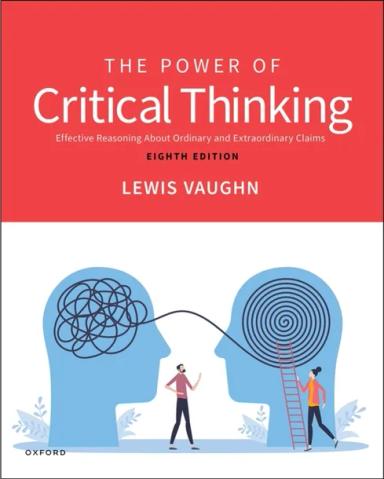
The Power of Critical Thinking

The Power of Critical Thinking

Lewis Vaughn

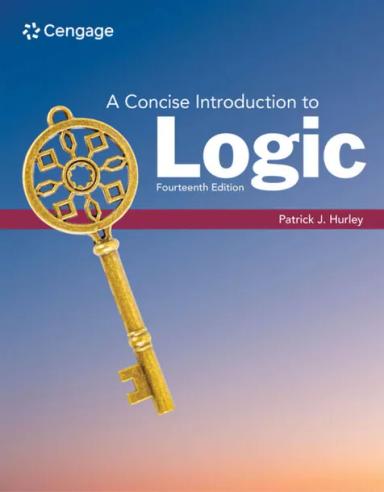
A Concise Introduction to Logic

A Concise Introduction to Logic

Patrick J. Hurley